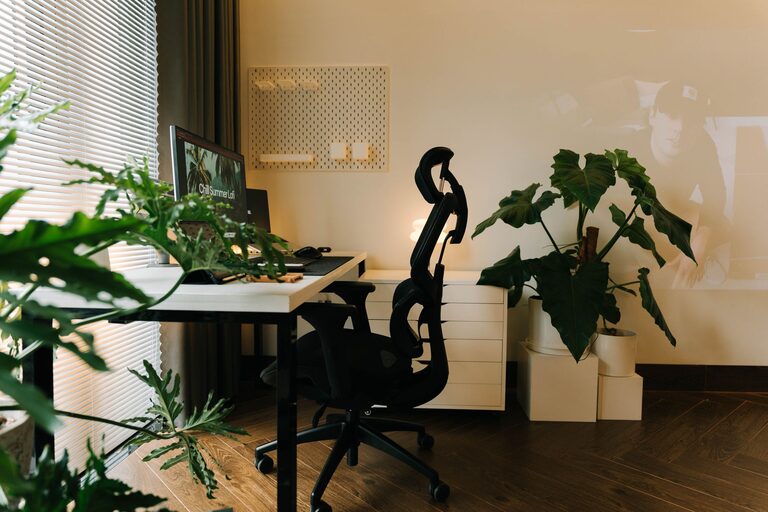
Creating a relaxing home office environment is essential for maintaining productivity and reducing stress during your workday. When your workspace feels peaceful and comfortable, it becomes easier to focus, stay motivated, and complete tasks efficiently. Whether you’re setting up a new home office or looking to improve your existing space, these tips will help you design a calming and productive work area.
Choose the Right Location
Selecting the ideal spot in your home for your office is the first step toward a relaxing work environment. Ideally, this should be a quiet place away from household noise and distractions. If possible, use a separate room to create clear boundaries between work and personal life.
When space is limited, consider a corner or nook with good lighting. Having a dedicated workspace helps your mind associate that area with focus and productivity.
Optimize Natural Lighting
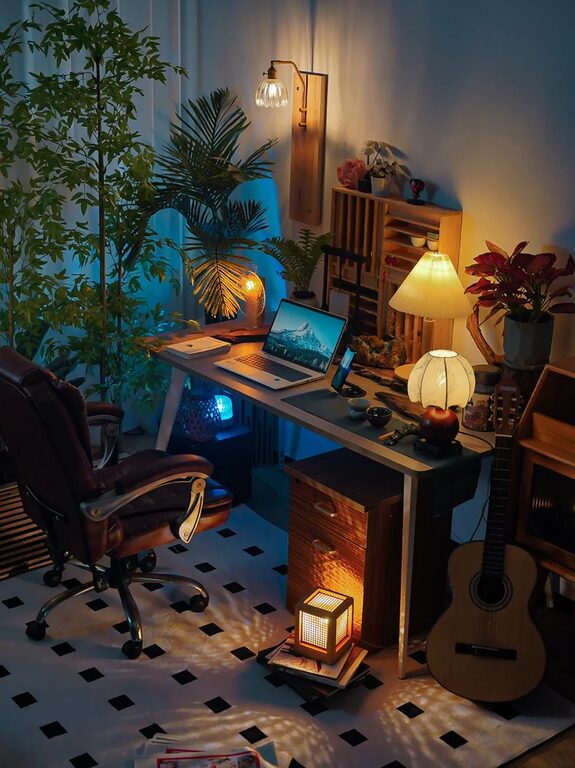
Natural light has a positive impact on mood and energy levels. Position your desk near a window to make the most of sunlight during the day. If natural light is limited, invest in good quality artificial lighting that mimics daylight to reduce eye strain and fatigue.
Use light, airy curtains or blinds to control glare without blocking light completely. This creates a bright but comfortable atmosphere in your workspace.
Invest in Comfortable Furniture
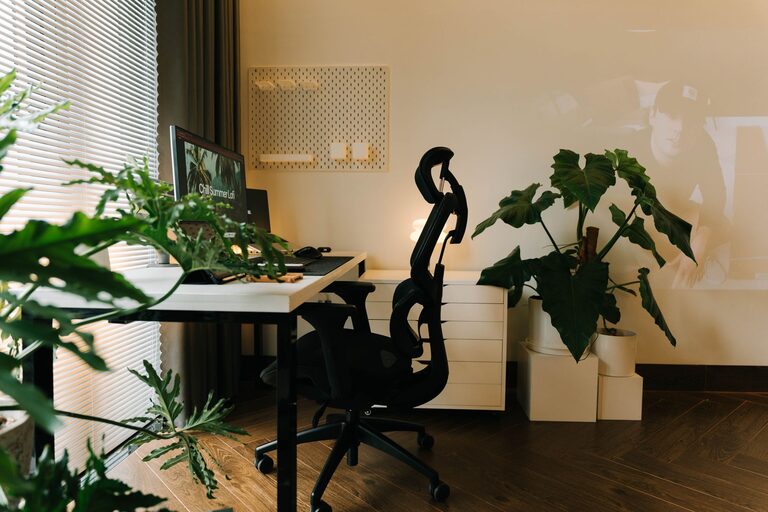
Comfort is key to staying focused and avoiding physical discomfort during long work hours. Choose an ergonomic chair that supports your posture and allows for adjustable height and tilt. Your desk should be at a height that lets you keep your wrists straight while typing.
Consider adding a footrest or a cushion for extra support. A comfortable, well-fitted workspace reduces distractions caused by discomfort or pain.
Keep Your Workspace Organized
An organized desk helps minimize stress and increase efficiency. Keep only essential items on your desktop to reduce clutter. Use storage solutions such as shelves, drawers, and organizers to store documents and supplies neatly.
Create a system for incoming tasks and important papers to avoid a pileup. Regularly declutter your space to maintain a calm, inviting atmosphere.
Add Calming Colors and Decor
Colors affect our mood and focus. Soft, neutral tones like blues, greens, or light grays tend to create a soothing environment. Avoid overly bright or distracting colors for your walls and decor.
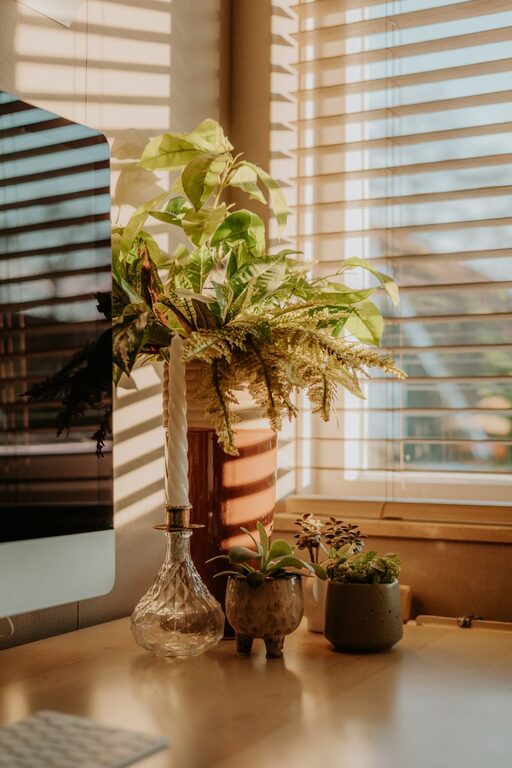
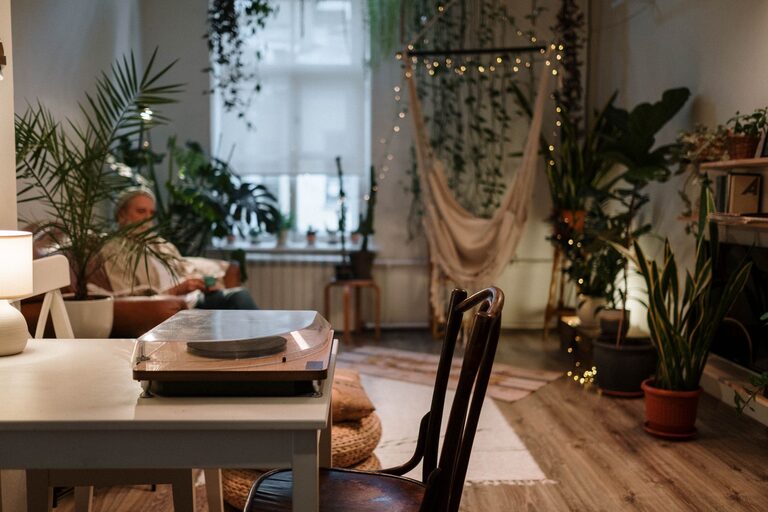
Personalize your office with a few calming elements, such as plants, artwork, or photos that inspire you. Plants not only add color but also improve air quality and provide a natural sense of calm.
Control Noise Levels
Noise can be a major distraction in a home office. If you can’t avoid household noise, consider noise-cancelling headphones or a white noise machine to block out distractions.
Playing soft instrumental music or nature sounds can also help some people focus better. Experiment with different sounds to see what helps you concentrate.
Create a Relaxation Corner
Incorporate a small area within your office where you can take short breaks. This might be a cozy chair, a meditation spot, or a space for stretching. Taking mindful breaks away from your desk can reduce stress and refresh your mind.
Use this area to do light exercises, deep breathing, or simply relax for a few minutes before returning to work.
Maintain Good Air Quality
Fresh air is important for staying alert and healthy. If your office lacks proper ventilation, consider adding an air purifier. Plants also help naturally improve air quality and bring a calming presence.
Open windows when possible to let in fresh air and reduce stuffiness. Good air circulation supports better concentration and overall well-being.
Establish a Routine
Having a daily routine helps your brain switch into work mode. Start your day at the same time, dress comfortably but professionally, and schedule regular breaks.
Consistent routines reduce decision fatigue and create a sense of normalcy, which can boost productivity and reduce stress.
Use Technology Wisely
Technology is a powerful tool, but it can also be distracting. Keep your phone on silent or in another room when working on important tasks.
Use apps or browser extensions to block distracting websites during work hours. Organize your cables and tech devices neatly to keep your desk tidy and functional.
—
By following these tips, you can transform your home office into a relaxing and productive space. A well-designed environment helps you stay focused, reduce stress, and maintain a healthy balance between work and life. Remember, it’s not just about aesthetics—it’s about creating a space where you feel comfortable and motivated to do your best work every day.
About the Author