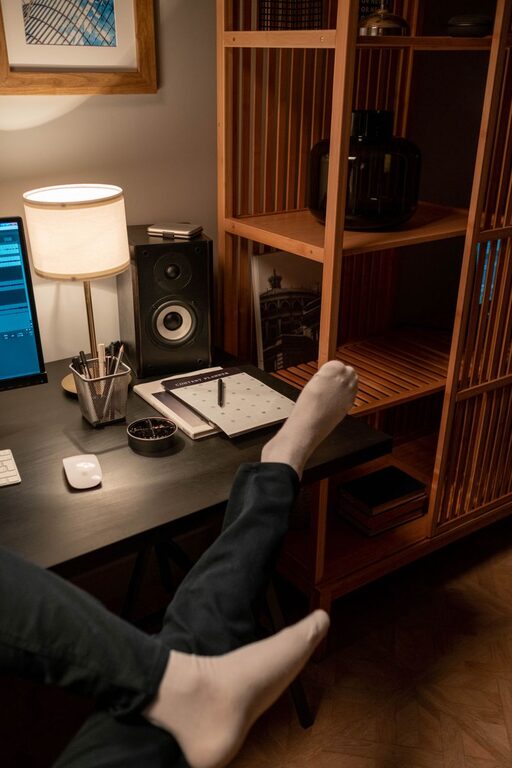
Creating a relaxing home workspace is essential for maintaining productivity and comfort, especially as more people work remotely. A well-designed workspace can reduce stress, improve focus, and make work hours more enjoyable. Whether you have a dedicated home office or just a small corner for work, these tips will help you create an environment that supports your professional and personal well-being.
Why a Relaxing Workspace Matters
When your workspace feels chaotic or uncomfortable, it’s easy to get distracted or feel overwhelmed. A relaxing workspace promotes calmness, making it easier to concentrate and complete tasks efficiently. It also helps establish boundaries between work and home life, which is crucial for maintaining balance when you’re working in the same place you live.
Choose the Right Location
Prioritize Natural Light
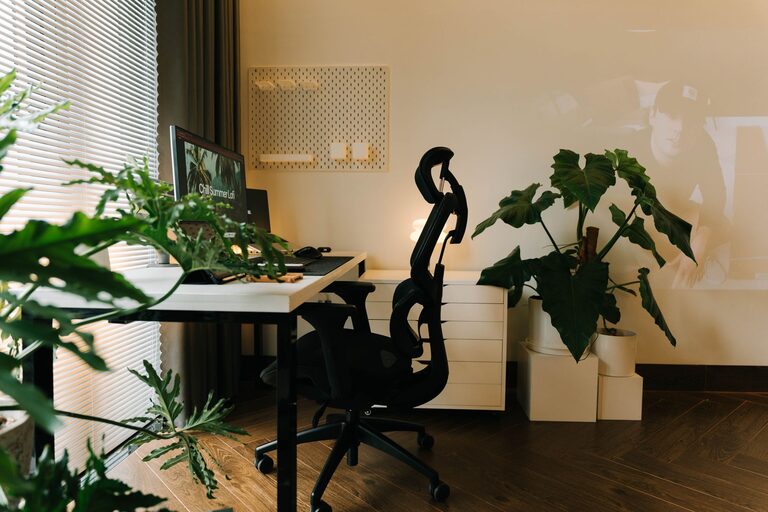
Pick a spot with plenty of natural light. Natural light improves mood and energy levels during the day. Position your desk near a window if possible, but avoid glare on your computer screen.
Minimize Noise
Select a quiet area in your home where interruptions are least likely. If noise is unavoidable, consider noise-canceling headphones or a white noise machine to help maintain focus.
Consider Your Ergonomics
Choose a comfortable chair and desk with adjustable height to promote good posture. Your screen should be at eye level, and your feet should rest flat on the floor or on a footrest.
Declutter and Organize
Keep Surfaces Clear
A cluttered desk can make it hard to focus. Keep only essential items on your workspace and store everything else neatly in drawers or shelves.
Use Storage Solutions
Invest in organizers like trays, bins, or filing systems to keep paperwork, cables, and office supplies in order. Labeling items can make it easier to find what you need quickly.
Digital Organization
Don’t forget your computer files and emails. Use folders and regularly clean up your digital workspace to reduce stress and improve efficiency.
Add Comfort and Personal Touches
Select Calming Colors
Colors can influence mood. Soft tones like blues, greens, or neutrals create a relaxing atmosphere. You can incorporate these colors in wall paint, furniture, or desk accessories.
Bring in Nature
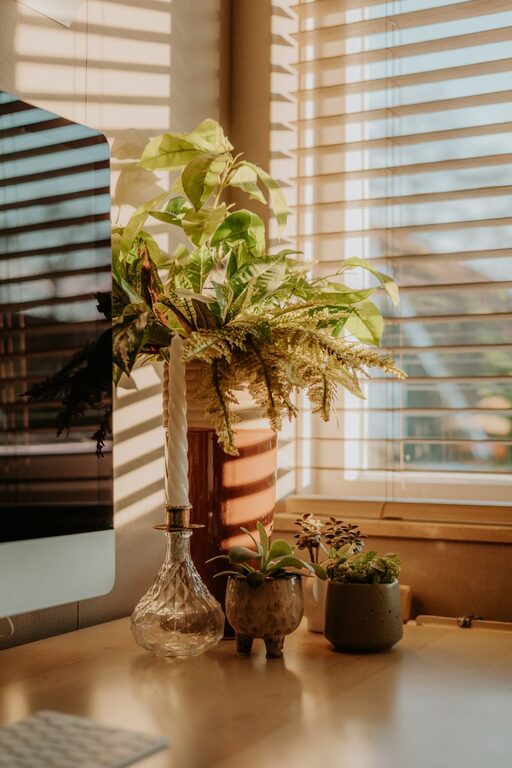
Plants improve air quality and bring a sense of calm. Choose low-maintenance plants such as succulents or snake plants that thrive indoors.
Include Comfort Items
Add a cozy blanket, a supportive cushion, or a wrist rest. These little comforts can make a big difference during long workdays.
Manage Lighting
Use Layered Lighting
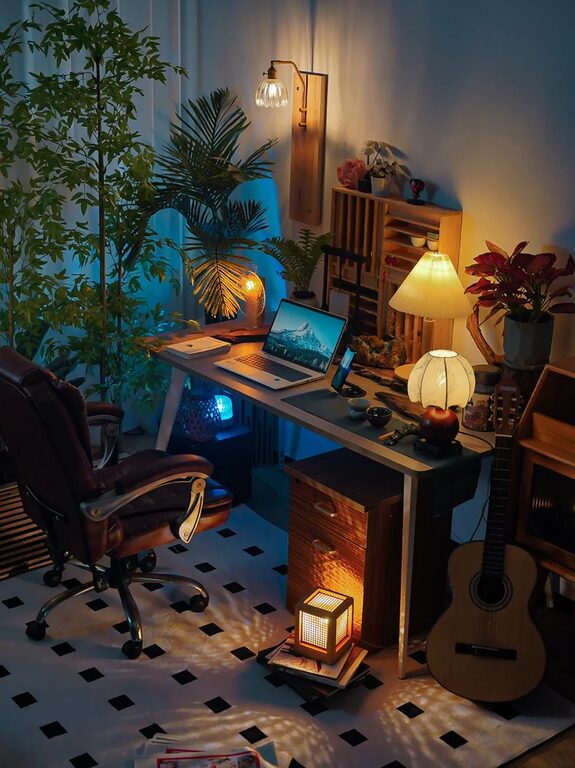
Combine natural light with task lighting and ambient lighting. A desk lamp with adjustable brightness helps reduce eye strain and adapts to different times of day.
Avoid Harsh Lights
Bright overhead lights can be tiring. Soft, warm bulbs create a gentler, more inviting environment.
Create Boundaries and Routine
Set a Schedule
Having firm work hours helps your mind switch between work mode and relaxation. Communicate your schedule with family or housemates to minimize interruptions.
Define Your Workspace
Try to use your workspace only for work. This sets clear boundaries and helps mentally separate your work life from personal time.
Take Breaks
Incorporate short breaks to move around, stretch, or relax your eyes. Techniques like the Pomodoro method, where you work for focused periods followed by breaks, can boost productivity.
Harness Technology Wisely
Upgrade Your Equipment
Invest in reliable hardware like a good-quality chair, keyboard, and monitor. Comfortable, ergonomic tools reduce physical strain.
Use Productivity Apps
Organizers, timers, and note-taking apps help keep your tasks in order and remind you to take breaks. Find tools that suit your style and workflow.
Limit Distractions
Mute unnecessary notifications and close unrelated tabs or apps during work sessions to stay focused.
Keep the Air Fresh
Good air quality supports concentration and health. Open windows when possible or use an air purifier to keep the air fresh. Adding a small fan can also circulate air and control temperature.
Final Thoughts
Building a relaxing home workspace is a blend of comfort, organization, and personal touches. By choosing the right location, managing light and noise, and creating clear boundaries, you can design an environment that helps you be productive without sacrificing your well-being. Start with small changes and adjust your space over time to find what works best for you.
A calming, well-organized workspace doesn’t just improve efficiency—it supports your mental and physical health, helping you enjoy your workday more.
About the Author